

Patience, Perseverance, and Blooming Bright: 5 Lessons from Trilliums
Patience, Perseverance, and Blooming Bright: 5 Lessons from Trilliums
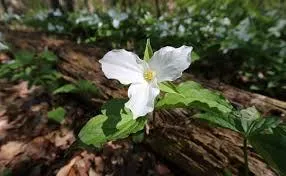
Hidden among the leaf litter and dappled sunlight of springtime forests, trilliums emerge as some of nature’s most delicate yet resilient wildflowers. Often called “wake robins” because they bloom alongside robins’ return, trilliums hold profound lessons for us—on patience, resilience, beauty, interdependence, and conservation. Though fleeting in their bloom, their quiet presence carries timeless wisdom.
Here are five life lessons we can learn from trilliums, offering inspiration and guidance for our own personal growth and connection to nature.
1. Patience in Growth: The Slow, Steady Development of Trilliums
Trilliums are slow to grow, taking 5 to 7 years to reach maturity and produce their first flower. During this time, they remain unseen, developing their roots and preparing to bloom when conditions are right. This patience is not weakness; it is an investment in strong, sustainable growth.
Life Lesson: Growth doesn’t happen overnight. Like trilliums, we need patience in our personal and professional journeys. Whether it’s developing a new skill, building a career, or healing from life’s challenges, slow, steady progress leads to lasting results.
Forest Therapy Tip: On your next forest walk, find a blooming trillium. Reflect on an area of your life where you need more patience. What “roots” are you growing beneath the surface that will prepare you for future success?
2. Resilience Through Seasons: How Trilliums Persist Underground
Trilliums are resilient, surviving harsh winters by retreating underground. Beneath the frozen surface, their rhizomes (underground stems) wait, storing energy to bloom when spring arrives. This ability to persist through unseen effort is a testament to nature’s strength and adaptability.
Life Lesson: Life often requires us to pause, conserve energy, and endure difficult seasons. Like trilliums, we may not always be visible, but our unseen growth and persistence make us ready to bloom when the time is right.
Forest Therapy Tip: Reflect on a time when you’ve endured a challenging “winter” in your life. What lessons or strength did you carry forward when spring returned? Use this as a reminder of your own resilience.
3. The Beauty of Brevity: Appreciating the Short-Lived Spring Bloom
Trilliums bloom for just a few weeks each spring before their flowers fade and their leaves return to photosynthesis. Their brief, breathtaking display reminds us to appreciate beauty in the present moment, as life’s most precious experiences can be fleeting.
Life Lesson: Life is filled with moments of beauty that are temporary—special gatherings, seasons of happiness, or simple pleasures. By being fully present, we can savor these moments, knowing their impermanence makes them even more meaningful.
Forest Therapy Tip: As you walk through a spring forest, observe blooming trilliums. Pause to admire their delicate beauty, and reflect on moments in your life that you may not fully appreciate. Take a deep breath, let go of distractions, and simply enjoy the now.
4. Interdependence: Trilliums’ Relationships with Forest Ecosystems
Trilliums are a key part of forest ecosystems, relying on their relationships with other species to thrive. Their seeds are dispersed by ants through a process called myrmecochory, a fascinating example of mutualism. In return, trilliums contribute to soil health and provide food for insects and wildlife.
Life Lesson: Just as trilliums depend on ants, trees, and healthy soil, we are also deeply connected to others. Our relationships—whether with family, friends, or communities—are vital for personal growth and support. Recognizing this interdependence helps us cultivate gratitude and reciprocity.
Forest Therapy Tip: During your forest walk, observe the relationships between plants, animals, and fungi. Reflect on the people or communities in your life who support and uplift you. How can you offer support in return?
5. Conservation Wisdom: Protecting Vulnerable Species for Future Generations
Trilliums are vulnerable to overharvesting, habitat destruction, and foot traffic. Because they grow so slowly, even a single picked flower can harm the plant’s ability to reproduce. Many species, like the white trillium, are protected, reminding us of our responsibility to safeguard nature’s fragile beauty.
Life Lesson: Our actions have a lasting impact on the natural world. By protecting vulnerable species like trilliums, we ensure future generations can experience their beauty. Conservation is not just about preserving plants; it’s about honoring the interconnectedness of life.
Forest Therapy Tip: Be mindful of where you walk in the forest, staying on marked trails to protect delicate plants. Take nothing but memories and leave nothing but footprints. Reflect on how you can adopt more sustainable practices in your daily life.
Practical Ways to Apply These Lessons
Here’s how to integrate the wisdom of trilliums into your own life:
Practice Patience: Remember that growth takes time. Focus on steady progress and trust that your efforts will bloom in their own season.
Embrace Resilience: During tough times, conserve your energy and trust your ability to endure. You are stronger than you realize.
Savor the Present Moment: Appreciate life’s fleeting beauty. Take time to pause, notice, and enjoy what’s around you.
Nurture Connections: Cultivate relationships and mutual support, recognizing the value of community and interconnectedness.
Protect What You Love: Take steps to protect nature through mindful practices, volunteering, and supporting conservation efforts.
Conclusion: Let Trilliums Inspire Your Growth and Gratitude
Trilliums, with their slow growth, quiet resilience, and fleeting beauty, hold timeless lessons for us all. They teach us the value of patience, the strength to endure, and the importance of appreciating life’s delicate moments. By observing these remarkable flowers, we can deepen our connection to nature and carry their wisdom into our own lives.
As spring unfolds, step into the forest and look for trilliums. Let them remind you of your own capacity to grow, thrive, and nurture the world around you.
Inspired by the wisdom of nature? Subscribe to our blog for more insights, forest therapy tips, and inspiration to help you connect deeply with yourself and the natural world.
Join our community and let the beauty of nature guide you toward balance, mindfulness, and growth. 🌸🌿
